The Six Pillars of Effective Leadership
Effective leadership is built through integrity, empathy, stability, focus, compassion, and humor, empowering leaders to build trust, inspire teams, and create lasting impact across organizations.
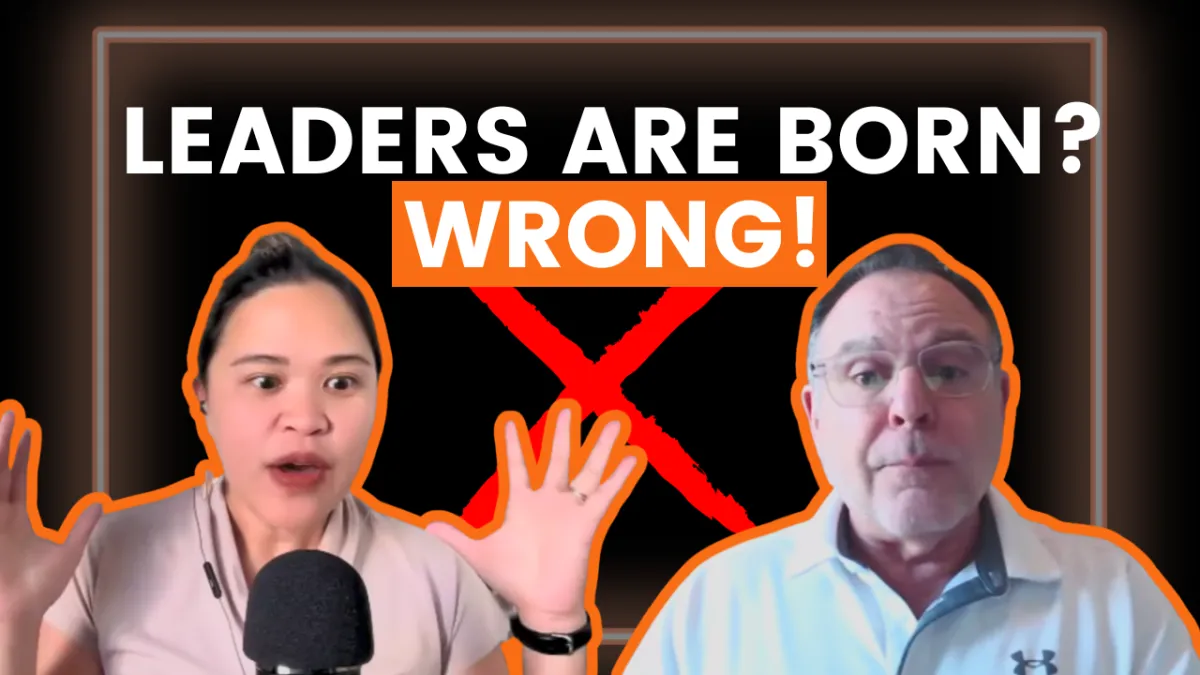
In today’s episode of The Lazy Entrepreneur Show, I sat down with Jim Carlough, author of The Six Pillars of Effective Leadership: A Roadmap to Success. Jim’s journey from untrained manager to respected leadership mentor reveals a truth every entrepreneur and business owner needs to hear: great leaders aren’t born, they’re built.
LISTEN ON ITUNES | LISTEN ON SPOTIFY
Whether you’re leading a small remote team or running a growing organization, this episode will reshape the way you think about leadership, success, and human connection.
From Manager to Leader: What Really Changes
Jim has spent more than 30 years in leadership, mentoring, managing, and guiding teams across different industries and countries. But he didn’t start out as an “effective leader.” In fact, he admits that his early leadership days were a mess.
“I was horrible as a leader,” Jim says. “Nobody gave me a roadmap. I didn’t know what I was doing.”
That honesty is refreshing in a world where many leaders pretend to have it all figured out. His experience reflects a universal problem in business today: people get promoted for performance, not leadership skills.
A great individual contributor doesn’t automatically become a great leader. Leadership requires empathy, vision, and the ability to inspire, qualities that can (and should) be developed.
Defining True Leadership
Jim draws a clear line between managers and leaders.
Managers focus on tasks, timelines, and checklists.
Leaders focus on people, purpose, and progress.
“A manager will make sure the conveyor belt runs,” he explains. “But a leader sets the vision, tone, and culture of the organization.”
Leadership isn’t confined to an office or a Zoom screen. It’s about being present, visible, approachable, and willing to engage with your team, even when it’s inconvenient.
In today’s remote world, “presence” looks different. Jim ensures he meets one-on-one with each team member weekly and requires cameras on during virtual meetings. It’s not about control, it’s about connection.
“As a leader, I have to recognize when someone’s not having a good day,” he says. “And I can’t do that if I can’t see their face.”
This is a reminder for all digital-first entrepreneurs: leadership doesn’t disappear behind a screen, it just requires more intentionality.
The Six Pillars of Effective Leadership
Jim’s book outlines six timeless pillars that every great leader must cultivate:
Integrity, Focus, Compassion, Stability, Empathy, and Humor.
Let’s unpack how each one shapes leadership that truly transforms.
1. Integrity: The Foundation of Trust
Integrity isn’t just about telling the truth, it’s about doing the right thing even when no one’s watching. Jim shared a defining moment from his early career, when a city administrator gave him advice that would shape his leadership philosophy forever:
“Every night before you close your eyes, ask yourself: Did I do anything today for my own personal benefit that was at the expense of someone else? If yes, fix it, and never do it again.”
That single question became the heartbeat of his leadership.
Integrity is more than a personal virtue; it’s a business strategy. When leaders act with integrity, they build trust. And when trust exists, teams follow with loyalty and confidence.
Once integrity is broken, rebuilding trust becomes difficult. Jim’s advice?
Face it immediately. Apologize, unwind the mistake, and prove through consistent action that it won’t happen again.
2. Compassion and Empathy: The Heart of Leadership
Modern leadership requires emotional intelligence, the ability to understand and respond to people’s emotions.
Jim recalls a time when one of his employees, a single mom, was working seven days a week. He noticed the exhaustion and insisted she take a paid break to spend time with her son.
“Leadership isn’t about the rulebook. It’s about people. You have to know when to step in, and when to give grace.”
Compassionate leadership doesn’t mean ignoring accountability; it means balancing performance with humanity. When people feel seen and cared for, they give their best, not because they have to, but because they want to.
3. Stability: The Anchor in Uncertain Times
A stable leader creates calm in chaos. Consistency builds credibility.
Jim emphasizes that employees watch leaders closely, not for perfection, but for predictability. When your behavior fluctuates, people lose confidence. But when you handle challenges with calm consistency, your team feels secure.
Stability doesn’t mean being emotionless. It means being grounded, responding thoughtfully instead of reacting impulsively.
4. Focus: Leading with Clarity
Focus is about keeping your eyes on the vision. Leaders often get distracted by putting out fires, chasing every new opportunity, or micromanaging small details.
But effective leadership means protecting your team’s energy and keeping everyone aligned on what matters most. As Jim says, “Leadership starts the moment your feet hit the floor.” Every action, conversation, and decision should align with purpose.
5. Humor: The Secret Leadership Superpower
Humor might seem like an odd addition to a leadership framework, but Jim insists it’s one of the most important.
“I use humor to start meetings, to defuse conflict, and to show people I’m human.”
Humor isn’t about being the class clown, it’s about being relatable. When leaders can laugh at themselves, they invite authenticity. It creates safety, connection, and lightness, even during stressful seasons.
As Jim puts it: “When people see that you can laugh at yourself, they realize you’re no different from them.”
6. Mentorship: The Leadership Multiplier
Leadership doesn’t stop at the top, it expands through mentorship.
Jim believes every leader needs mentors for different areas of life, business, character, relationships, and personal growth. He also encourages leaders to mentor others outside their direct reporting lines to avoid conflicts and create psychological safety.
“Everyone needs someone to talk to. And I’d rather you talk to a human than a stranger on Facebook.”
That’s the kind of wisdom that only comes from decades of leading with heart.
When Leaders Leave, Loyalty Stays
One of my favorite moments in our conversation was when Jim shared how he handles employees who decide to move on. Instead of feeling betrayed, he celebrates them.
“If someone has a better opportunity, I help them find it,” he says. “Because leadership is about making people better, not keeping them forever.”
That mindset is rare. But it’s exactly why many of his former team members have returned to work for him multiple times. True leadership leaves a lasting impact, one that outlives titles and job descriptions.
Who Leads the Leaders?
Toward the end of our conversation, I asked a question every founder and executive should consider:
“Who takes care of the leaders?”
Jim’s answer was simple but profound: mentors, boundaries, and loved ones who tell the truth.
He admits he sometimes gets too busy chasing new speaking opportunities and book events. Luckily, his wife is his grounding force, the one who reminds him that balance matters more than busyness.
Because at the end of the day, leadership isn’t about doing more.
It’s about doing what matters most, with integrity, compassion, and focus.
✨ Key Takeaways
Leadership can be learned. It’s not in your DNA; it’s in your daily choices.
Presence matters. Even in remote work, show up consistently and be visible.
Integrity is non-negotiable. Lose it once, and rebuilding trust takes time.
Compassion fuels loyalty. Treat people like humans, not just employees.
Humor heals. A little laughter can diffuse tension and build connection.
Mentorship sustains growth. Leaders need guidance, too.
Connect with Jim on LinkedIn or visit his website at www.jim-carlough.com to learn more about The Six Pillars of Effective Leadership: A Roadmap to Success.
And if you comment on this episode when it drops, you could win a signed copy of his book, Jim’s way of giving back to emerging leaders like you.
Leadership isn’t about commanding others. It’s about becoming the kind of person others want to follow.
When you lead with integrity, compassion, and humor, you don’t just grow your business, you grow people.
And that’s what real success looks like.
Ready to Strengthen Your Leadership Foundation?
If you’re an overwhelmed entrepreneur who wants sustainable business growth, stronger systems, and real freedom, I offer business coaching and mentorship designed for founders who want to scale without burning out.
This is for the lazy entrepreneur who values clarity, structure, and long-term profitability.
👉 BOOK A FREE CONSULTATION HERE.
Build your business strong before you step away.
Frequently Asked Questions
Can leadership skills be learned or are leaders born?
Leadership skills can absolutely be learned. While some people may have natural tendencies, effective leadership is built through intentional practice, mentorship, self-awareness, and daily behavioral choices.
What is the difference between a manager and a leader?
Managers focus on processes, tasks, and efficiency. Leaders focus on people, vision, and culture. While managers ensure operations run smoothly, leaders inspire progress and long-term growth.
How does compassion improve team performance?
Compassionate leadership creates psychological safety. When employees feel understood and supported, they are more engaged, loyal, and motivated to perform at their highest level.
How can leaders stay focused in fast-growing organizations?
Leaders maintain focus by protecting their time, aligning decisions with long-term vision, and avoiding constant distraction from low-priority tasks. Clear goals and communication help teams stay aligned.
