Navigating ADHD Challenges in Delegation with Sarah Vasquez
In a recent episode of the Master Delegator podcast, hosted by Kristy Yoder, guest Sarah Vasquez shared profound insights on managing ADHD, delegation, and creating inclusive work environments.
LISTEN ON ITUNES | LISTEN ON SPOTIFY
These insights are invaluable for individuals and leaders alike who aim to embrace neurodiversity in their personal lives and workplaces.
Understanding Neurodivergence and Sensory Perception
Sarah opened up about her experiences with neurodivergence, a term that includes conditions like autism, ADHD, OCD, and dyslexia. One of the significant challenges she faces is dealing with sensory overload, which can be overwhelming. She acknowledges that her heightened sensory perception often leads to the assumption that others perceive the same way, which can create insecurities.
To manage these challenges, Sarah has developed strategies such as openly communicating about her neurodivergence and setting boundaries to protect her focus. Masking behaviors, like stimming, in social situations is often necessary but requires significant effort. Sarah's willingness to share these personal challenges fosters a greater understanding of neurodivergent individuals’ struggles and highlights the importance of creating supportive environments.
The Importance of a Support Network
A robust support network is crucial for overcoming the challenges associated with neurodivergence. Sarah emphasizes the value of having a supportive business partner who helps her navigate these obstacles. By asking how they can provide support, her partner creates a strong foundation for mutual understanding and collaboration.
Sarah's experience underscores the importance of surrounding oneself with individuals who are empathetic and willing to provide the necessary support. This network can include business partners, friends, family, or professional communities that understand and accommodate neurodivergent needs.
Building a Collaborative Business Strategy
Sarah delved into her journey as a photography studio owner, explaining that collaboration and building networks were critical to her business's growth. Remarkably, she managed to achieve this without substantial monetary investment by engaging with local businesses. This cooperative marketing approach allowed her to reach her target clientele while fostering community ties and mutual support.
This strategy of collaboration is not only cost-effective but also strengthens the community and builds a network of mutually beneficial relationships. For entrepreneurs, especially those starting with limited resources, Sarah's experiences offer valuable insights into harnessing the power of local networks and community engagement.
Effective Delegation and Team Empowerment
A recurring theme in the conversation was the importance of effective delegation. Sarah highlighted the significance of empowering team members through visibility and shared responsibility rather than adhering to rigid roles. By providing suggested operating procedures instead of strict guidelines, she encourages her team to offer insights and improvements, particularly those who are neurodivergent.
Creating a collaborative environment where team members are treated as equals and feel comfortable sharing their ideas is paramount. Sarah starts meetings by checking in on her team members' personal capacities and recent experiences, prioritizing their well-being and mental state. This empathetic approach fosters a supportive and productive work culture.
Leadership Skills and Overcoming Perfectionism
Sarah's journey into entrepreneurship began with challenges in delegation and letting go of tasks. Initially, she felt compelled to do everything herself, leading to overwhelming workloads. As she learned to trust others and delegate effectively, Sarah realized the importance of building a supportive team or network.
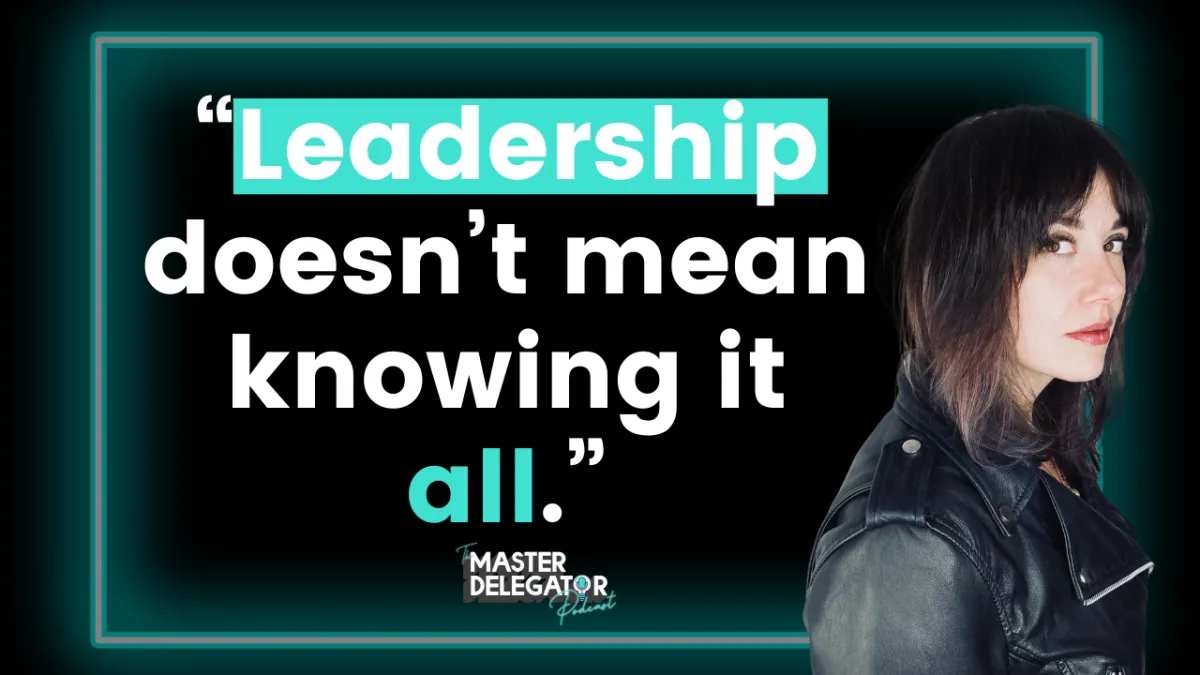
Good leadership, according to Sarah, involves recognizing personal limitations and valuing the diverse perspectives and expertise of the team. Leadership is less about knowing everything and more about knowing when to seek help and effectively utilizing team members' strengths to find answers. External validation and collaborative efforts are crucial to completing projects and overcoming perfectionism.
Personal Strategies for Managing ADHD
Sarah shared her personal struggles with executive dysfunction, which makes starting tasks from scratch particularly challenging due to overwhelming thoughts. To manage these challenges, she relies on creating templates and keeping extensive digital notes, which she utilizes when ready.
Emphasizing self-awareness and self-advocacy, Sarah stresses the importance of understanding one's limits and creating processes to accommodate them. Her decision to manage neurodivergent traits without medication, focusing instead on creating processes and giving herself grace, is a testament to her commitment to self-accommodation and self-sovereignty. Exploring platforms like TikTok or Instagram can offer more information and support for neurodivergent individuals.
Inclusive Leadership and Workplace Inclusivity
Sarah's agency, Ad Alchemists, focuses on helping brands and companies implement systems that support neurodivergent individuals. By creating more inclusive and understanding workplaces, businesses can harness the unique strengths of neurodivergent employees.
Discussing neurodivergence openly can enhance inclusivity in workplaces and help neurodivergent individuals leverage their strengths. Sarah advocates for workplaces to adopt support measures and flexibility, especially when personal circumstances, like a sick child, affect productivity. Creating an environment that accommodates diverse thinking styles and personal needs ultimately fosters a more supportive and productive workplace.
Building Scalable Processes and Embracing Vulnerability
Starting a business solo, Sarah emphasized the importance of creating scalable processes to eventually build a team. The transition from handling everything alone to delegating tasks can be daunting, often accompanied by fears of failure. However, developing clear communication, setting expectations, and providing direction are key to successful delegation.
Sarah discusses the importance of leadership having an open-door policy, allowing for vulnerability, and fostering trust within the team. Personal experiences have shaped her leadership approach, aiming to be supportive rather than replicating negative past experiences.
External Resources and Continued Learning
For those seeking more information on neurodivergence and effective delegation, Sarah recommends exploring various platforms and connecting with communities that offer support and resources. Additionally, she promotes Smart VAs, a service offering flexible virtual assistant teams to support business growth.
Sarah's contact information, including her LinkedIn, personal website, agency website, and startup focused on supporting neurodivergent women, offers avenues for connecting and exploring further
For more information about Sarah Vasquez:
Frequently Asked Questions:
How can I manage delegation better if I struggle with ADHD or executive dysfunction?
From our perspective, delegation becomes much easier when you create structure that works with your brain, not against it. This can include using templates, breaking tasks into smaller steps, and documenting repeatable processes. We encourage building systems that reduce overwhelm so you can delegate with more clarity and confidence instead of relying on memory or mental load alone.
How do I know what tasks I should delegate if I get overwhelmed easily?
We recommend starting with tasks that consistently cause stress, delay, or mental fatigue, especially repetitive or administrative work. If a task drains your focus or triggers avoidance, it’s usually a strong candidate for delegation. The goal is to free up your mental space so you can focus on work that requires your strengths and creativity.
Can a business still run efficiently if team roles are flexible instead of strictly defined?
Yes, and in fact, we often find that flexible roles can improve collaboration and innovation. From our perspective, allowing team members to contribute ideas and improvements, rather than restricting them to rigid job descriptions, creates a more inclusive and adaptive work environment. This is especially effective in teams that support neurodivergent individuals.
How can I create a more inclusive and supportive work environment for neurodivergent team members?
We believe inclusivity starts with open communication, flexibility, and understanding individual working styles. This includes allowing different ways of processing information, offering structured yet adaptable workflows, and creating space for honest conversations about needs and challenges. When team members feel supported, they are more likely to contribute meaningfully and perform at their best.
