How and When to Hire Help for Your Small Business
Running a small business can be both thrilling and exhausting. The freedom to steer your own ship comes with the responsibility of wearing multiple hats, often leading to overwhelming workloads and neglected tasks. To shed light on the pivotal decision of hiring help, Kristy Yoder, host of the Master Delegator podcast, spoke with Leslie Pyle, founder, and CEO of hiremymom.com.
LISTEN ON ITUNES | LISTEN ON SPOTIFY
Leslie brought her wealth of experience to offer invaluable insights on how and when to hire help for your small business. Here are the key takeaways from this enlightening conversation:
From Personal Struggle to Solution-Oriented Business
Leslie Pyle’s journey began in 1995 when she had her first child. She experienced the emotional toll of being away from her baby and the challenge of balancing a full-time job with motherhood. Desiring a less rigid work-life balance, Leslie started freelancing in communications, marketing, and PR. The available resources for work-from-home moms were limited, leading Leslie to create HBWM (Home-Based Working Moms), an online network modeled after a chamber of commerce aimed at connecting mothers working from home across the U.S.
Inspired by the matchmaking concepts of online dating sites like Match.com, Leslie evolved her business idea into a platform for connecting skilled moms with small businesses that needed help but didn't necessarily require full-time employees. Thus, hiremymom.com was born, providing a viable solution for both freelancers and small businesses in search of remote work opportunities.
Hiring the First Help: When’s the Right Time?
Customer Service is Slipping: If you find yourself unable to provide the level of customer service you once did, it’s a clear sign that you need extra hands.
Wearing Too Many Hats: Are administrative tasks, social media management, accounting, and other daily responsibilities taking up your time and preventing you from focusing on what you love? It’s time to delegate.
Working Too Many Hours: If you’re consistently working beyond your target hours, it’s a red flag.
No Capacity to Take on New Business: When you're maxed out and can’t handle any additional workload, you’re stifling potential growth.
Overworking Current Team Members: If your existing team is overwhelmed, hiring additional help can alleviate stress and enhance productivity.
Virtual Assistants and Beyond
One practical step Leslie recommends is hiring a Virtual Assistant (VA). Virtual assistants can handle various tasks like email management, customer service, calendar management, and more, allowing you to focus on the core aspects of your business. The benefit of hiring a VA is that you can start with as few hours as you need and gradually scale up as your business grows.
In addition to a VA, here are other roles that small businesses should consider:
- Bookkeeping and Accounting
- Social Media Management
- Content Creation and Blog Writing
- Graphic Design
- Marketing and Email Marketing
- Project and Account Management
- Customer Service and Support
- Specialists like HR, Facebook Ads Managers, and Online Business Managers
Leslie stresses the importance of growing your team based on your immediate needs and available budget. Initial hesitation to hire often stems from viewing it as an expense rather than an investment. However, by even taking a temporary pay cut, you can afford to hire help, freeing up valuable time to invest back into your business for long-term growth.
Project Management Tools
Platforms like Asana help keep tasks organized and ensure that everyone on your team knows their responsibilities. Creating a system where tasks are neatly divided into categories (like content creation, administrative tasks, blog writing) makes it easy to assign, track, and complete jobs.
Documentation and Training Resources
Utilizing Google Docs to create detailed manuals for each role within your business streamlines onboarding and training processes. Including how-to guides and FAQ sections ensures that new hires can refer back to documented procedures without needing constant oversight.
When Budget Constraints are an Issue
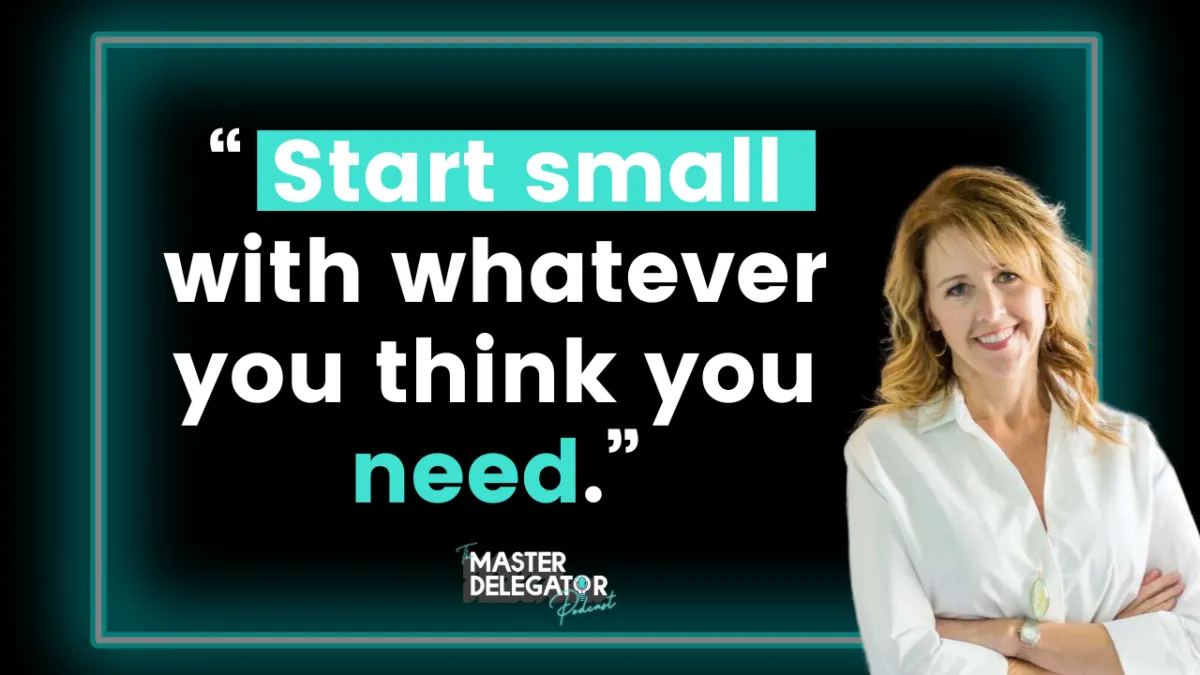
Budget constraints can be a significant hurdle when considering hiring help. Leslie’s advice is to start small—hire for a few hours a week to begin with. By doing so, you can measure the impact on your business and adjust accordingly. Another strategy is to hire for specific projects that have immediate ROI, such as marketing initiatives that can directly drive sales.
What to Look for in Candidates
When hiring, it’s essential not just to focus on skills but also on values alignment:
- Experience: Ensure the candidate’s resume reflects relevant skills and responsibilities.
- Resourcefulness: Look for candidates who are eager to learn and can solve problems independently.
- Cultural Fit: The candidate should resonate with your company’s mission and values. This fosters long-term loyalty and reduces turnover.
Also, during the interview process, Leslie emphasizes the need to ask critical questions that reveal the candidate's real-world problem-solving abilities and cultural fit. She offers a resource titled "Top Ten Interview Questions to Ask," available for free on her website, which can be invaluable in your hiring process.
Leslie’s current team setup includes:
- Virtual Assistant for administrative tasks
- Social Media Manager
- Email Marketing Specialist
- General VA for miscellaneous tasks
- Two HR Specialists for specialized services
This diversified team structure ensures that each function within her business is handled by specialized personnel, enhancing overall efficiency and effectiveness.
Leveraging Technology
Reflecting on her journey, Leslie recounts how starting a home-based business in 1995 had its unique challenges, primarily due to the lack of technology and online resources. There was no email, social media, or robust internet presence. Today, leveraging technology like social media platforms, project management tools, and even online marketing strategies are crucial for scaling a business.
Staying Resilient: Lessons from Economic Challenges
Leslie shared that her journey has seen its fair share of economic challenges, including the 2008 recession and the Covid-19 pandemic. Each of these periods demanded adaptability and resilience. The key is to stay focused on your core mission while being agile enough to pivot when necessary. During economic downturns, maintaining excellent customer service, focusing on your niche, and being innovative with your offerings can keep you afloat and even thriving.
Learn more about Leslie Pyle:
https://www.hiremymom.com/lesleypyle/
Frequently Asked Questions:
How do I know if my small business is truly ready to hire help?
From our perspective, you’re ready to hire help when your workload consistently prevents you from focusing on growth-related tasks. If customer service is slipping, you’re working beyond your ideal hours, or you can no longer take on new clients, those are clear indicators that additional support is needed to stabilize and scale your business.
What is the best first role to outsource when I have a limited budget?
We typically recommend starting with a Virtual Assistant because they can handle a wide range of administrative and operational tasks. This allows you to immediately free up time without committing to a full-time hire. As your revenue grows, you can gradually expand support into more specialized roles based on your business needs.
How can I afford to hire help if my business is not generating enough extra income yet?
From our experience, many business owners start small by hiring a few hours per week or outsourcing high-impact tasks that directly contribute to revenue. This approach allows you to reinvest a portion of your time savings into growth activities, helping you increase income while gradually scaling your team.
What should I prioritize when choosing someone to join my small business team?
We believe the best hires are not only skilled but also aligned with your business values. While experience is important, we prioritize candidates who are resourceful, adaptable, and culturally aligned with your mission. These traits often lead to stronger long-term performance, better communication, and lower turnover within your team.
